

Laser eye surgery has transformed how many people see the world—literally. The idea of waking up with clear vision and no need for glasses or contact lenses is exciting. But, like any medical procedure, laser eye surgery has potential risks. So, can laser eye surgery go wrong? While most patients experience improved vision, it’s essential to understand the possible complications before undergoing surgery.
This article explores the potential risks, common concerns, and what you can do to ensure the best possible outcome from laser eye surgery.
How Does Laser Eye Surgery Work?
Laser eye surgery is one type of refractive procedures designed to reshape the cornea and correct common vision problems such as short-sightedness (myopia), long-sightedness (hyperopia), and astigmatism. By precisely altering the curvature of the cornea, these procedures help light focus more accurately on the retina, leading to clearer vision.
Several types of laser vision correction are available, each suited to different eye conditions and individual needs. The most common procedures include:
LASIK Surgery
LASIK (Laser-Assisted In Situ Keratomileusis) is one of the most well-known and widely performed laser eye surgeries. The procedure involves:
- Creating a thin corneal flap, which is gently lifted.
- Using a laser to reshape the underlying corneal tissue to correct refractive errors.
- Repositioning the flap naturally heals over time without the need for stitches.
LASIK eye surgery is popular due to its quick recovery time and minimal discomfort, making it a preferred choice for many patients.
PRK Procedure
PRK (Photorefractive Keratectomy) is an alternative to LASIK procedures, often recommended for patients with thinner corneas or those who engage in contact sports. Unlike LASIK, PRK does not involve creating a corneal flap. Instead:
- The outermost layer of the cornea (epithelium) is gently removed.
- A laser reshapes the corneal tissue to correct vision.
- The epithelium regenerates naturally over a few weeks.
Though PRK has a slightly longer recovery period compared to LASIK, it remains a safe and effective option for laser vision correction.
SMILE Surgery
SMILE (Small Incision Lenticule Extraction) is a minimally invasive treatment that reshapes the cornea through a small incision without creating a flap. The process involves:
- Using a femtosecond laser to form a thin disc of corneal tissue (lenticule).
- Removing the lenticule through a tiny incision to reshape the cornea and improve vision.
Since SMILE surgery does not require a corneal flap, it may offer reduced dry eye symptoms and a more stable cornea post-surgery.
SMILE Pro
An advanced version of SMILE surgery, SMILE Pro offers greater precision and speed, further enhancing the procedure’s comfort and efficiency.
PRESBYOND
PRESBYOND laser treatment is designed for individuals experiencing presbyopia—the age-related difficulty in focusing on near objects. PRESBYOND provides a blended vision approach by optimising vision at multiple distances, reducing the need for reading glasses.
Each of these laser eye surgery options has its own benefits and considerations. The best procedure for you will depend on your eye health, lifestyle, and vision goals. A complete eye examination with an experienced eye surgeon can help determine the most suitable choice.
Can Laser Eye Surgery Go Wrong? Understanding The Risks
While laser eye surgery is performed with precision, risks do exist. Some individuals may experience common complications or, in rare cases, more serious ones requiring further medical intervention.
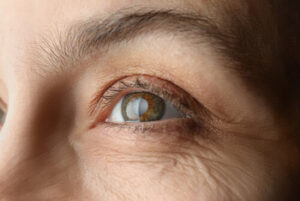 Common Complications
Most laser eye surgery complications are mild and temporary, often improving as the eye heals. These may include:
- Dry Eye Syndrome: Reduced tear production after surgery can cause discomfort, which is usually managed with artificial tears or anti-inflammatory drops.
- Blurred Vision: Some patients experience fluctuating vision or temporary worsening vision during the healing process, particularly in the first few weeks.
- Light Sensitivity: Bright lights may cause discomfort, especially in low-light environments or at night.
- Double Vision: Some patients report vision problems, such as seeing halos or glare, especially in dim lighting.
More Serious Complications
While rare, some complications may require further medical care to ensure optimal long-term vision health:
- Corneal Flap Problems: The corneal flap created in LASIK surgery needs to heal correctly. If it shifts or doesn’t heal properly, it may lead to flap complications or an increased risk of infection.
- Under-Correction Or Over-Correction: In some cases, the laser may not remove enough or too much corneal tissue, meaning the patient may still need glasses or contact lenses or, in some instances, additional surgery.
- Corneal Ectasia: A rare condition where the cornea bulges, leading to a decline in vision quality, sometimes requiring collagen cross-linking or other medical intervention.
- Eye Infection: Any surgical procedure carries a risk of infection. If treated early, this can often be managed with antibiotic eye drops.
- Long-Term Side Effects: A few patients may experience persistent vision problems, such as refractive errors or a need for further correction.
Minimising Risks: Choosing An Experienced Surgeon
When considering laser eye surgery, choosing a highly skilled and experienced surgeon is one of the key steps to minimise risks and ensure the best possible outcome.
Why Experience Matters
A qualified and experienced ophthalmologist will take the time to thoroughly evaluate your eye health, medical history, and vision needs before recommending any procedure. During your initial consultation, they will:
- Perform a complete eye examination to know whether you are a suitable candidate for laser eye surgery.
- Discuss the potential risks and explain how different factors—such as corneal thickness, pre-existing eye conditions, and lifestyle habits—may influence your results.
- Suggest the most appropriate laser treatment based on your specific vision correction needs.
- Provide detailed pre-operative and post-operative instructions to support a smooth healing process.
A highly trained surgeon will also use the latest techniques and state-of-the-art technology to enhance precision and safety during your procedure. Their experience allows them to anticipate and manage any challenges, ensuring your treatment is performed with the utmost care and accuracy.
Questions To Ask Your Eye Surgeon
Before deciding on laser eye surgery, it’s essential to feel confident in your surgeon’s expertise. Asking the right questions can help you make an informed choice. Consider asking:
- How many laser eye surgeries have you performed?
- What is your experience with LASIK, PRK, and SMILE procedures?
- What factors determine whether I am a suitable candidate?
- What are the most common complications, and how do you handle them?
- What can I do to optimise my recovery after surgery?
The Importance Of A Personalised Approach
Every patient’s eyes and vision goals are unique, which is why a personalised approach to treatment is so important. A trusted eye surgeon will not only assess your eligibility for surgery but also help you set realistic expectations about the healing process and long-term outcomes.
By working closely with your eye surgeon and following their guidance, you can take steps to minimise laser eye surgery risks and enjoy the life-changing benefits of clearer vision.
Healing Process And Post-Operative Care
The healing process after laser eye surgery is just as important as the procedure itself. Following your eye surgeon’s post-operative instructions carefully will help your eyes recover properly and support your journey to improved vision.
While many patients notice clearer vision within a few days, full recovery can take several weeks, depending on the type of procedure and how well your eyes respond to treatment.
Key Steps For A Smooth Recovery
To reduce the risk of issues and promote healthy healing, it’s essential to follow these post-operative care guidelines:
 Use Eye Drops As Prescribed: Your eye surgeon will provide prescription eye drops, including artificial tears and anti-inflammatory drops, to moisturise your eyes and reduce inflammation. These drops also help prevent infection and relieve any temporary discomfort you may experience in the first few weeks.
- Protect Your Eyes From Bright Lights: Sensitivity to bright lights, particularly in the first few days after surgery, is common. Wearing sunglasses outdoors and avoiding harsh lighting can help ease light sensitivity and support your eyes as they heal.
- Avoid Contact Sports And High-Risk Activities: Engaging in contact sports or activities that may cause eye strain or accidental injury should be avoided during the healing process. Even minor trauma to the eye can interfere with recovery, so it’s best to wait until your eye doctor confirms that it’s safe to resume such activities.
- Follow-Up With Your Eye Doctor Regularly: Attending all necessary follow-up appointments is crucial for monitoring your healing progress. Your eye surgeon will check for any signs of complications and ensure your vision is stabilising as expected. If you experience worsening vision, prolonged discomfort, or any unusual symptoms, it’s important to seek medical advice promptly.
Additional Tips For A Comfortable Recovery
- Avoid rubbing your eyes, as this can affect the corneal flap or disrupt healing.
- Get plenty of rest and allow your eyes time to recover naturally.
- Take breaks from screens to prevent eye strain, especially in the first few days after surgery.
- Stay hydrated and maintain a good lifestyle to support your body’s natural healing process.
By following these post-operative care guidelines and working closely with your eye surgeon, you can help ensure a seamless recovery and enjoy the benefits of clearer vision with confidence.
Frequently Asked Questions
Is Laser Eye Surgery Painful?
You might feel only minimal discomfort because anaesthetic eye drops are used to numb the eyes. After the procedure, mild irritation, dryness, or light sensitivity is common but usually resolves within a few days with the help of eye drops and proper rest.
Am I Suitable For Laser Eye Surgery?
Not everyone is suited for laser eye surgery. A complete eye examination will determine if you meet the necessary criteria. Factors that may affect your eligibility include:
- Corneal Thickness: A thin cornea may increase the risk of corneal ectasia, a rare complication.
- Stable Prescription: Your vision should remain unchanged for at least 12 months before surgery.
- Pre-Existing Eye Conditions: Certain conditions like severe dry eye syndrome or keratoconus may make surgery unsuitable.
- Age: Most surgeons recommend laser eye surgery for those over 18, as younger individuals may still experience vision changes.
How Soon After Surgery Can I Return To Work?
You can return to light work within a few days, especially for desk jobs that do not require physical exertion. However, if your job involves extended screen time, outdoor exposure, or physical activity, your eye doctor may advise waiting longer to ensure proper healing.
What Happens If I Blink Or Move During The Procedure?
Modern laser-assisted procedures use advanced eye-tracking technology, which adjusts the laser in real-time to ensure better precision. The numbing eye drops also help prevent excessive blinking, and a gentle eyelid holder keeps your eye steady throughout the procedure.
How Long Should I Wait Before Exercising After Laser Eye Surgery?
Light activities such as walking or stretching are typically fine within a day or two. However, high-impact exercises, weightlifting, swimming, or contact sports should be avoided for at least a few weeks to prevent eye strain, injury, or infection. Your eye surgeon will provide personalised guidelines based on your specific procedure.
Can I Wear Makeup After Laser Eye Surgery?
It is generally recommended to avoid eye makeup, creams, and lotions near the eyes for at least a week after surgery to prevent irritation or infection. When you resume wearing makeup, ensure that all products are clean, fresh, and applied gently.
Can I Drive After Laser Eye Surgery?
You will need to have somebody drive you home after the operation, as your vision may be blurry initially. You might be able to resume driving within a few days, but you should wait until your eye doctor confirms your vision is stable during a follow-up appointment.
Does Private Health Insurance Cover Laser Vision Correction?
In Australia, laser eye surgery is usually considered an elective procedure, meaning Medicare may not cover it. However, some private health insurance policies may provide coverage. It is best to check with your insurance provider to understand your coverage options.
Can I Undergo Laser Eye Surgery If I Am Pregnant Or Breastfeeding?
Changes in hormones during pregnancy and breastfeeding can influence vision. For this reason, it’s recommended to wait a few months after pregnancy or weaning before considering laser eye surgery. This ensures that your prescription remains stable for the best long-term results.
How Often Do I Need Follow-Up Visits After Laser Eye Surgery?
 Follow-up visits are an important part of the healing process. Most patients have check-ups at the following intervals:
- 24 to 48 hours after surgery
- One week post-surgery
- One month post-surgery
- Three to six months post-surgery
Your eye doctor may adjust these appointments based on your recovery progress.
Can Laser Eye Surgery Be Reversed?
Laser eye surgery is designed to be irreversible, as the laser reshapes the corneal tissue to correct vision. While some vision changes can be addressed with enhancement procedures, full reversal is not typically possible. This is why undergoing a comprehensive eye evaluation is key to ensure you are a suitable candidate before proceeding.
Can Laser Eye Surgery Fix All Vision Problems?
You cannot treat every vision problem with refractive surgeries that are assisted by laser. Cataract surgery, for example, remains the primary treatment for clouded natural lenses, as standard refractive procedures do not address this condition.
Conclusion
Laser eye surgery has transformed vision correction, offering a highly effective way to correct vision. While there are potential laser eye surgery risks, understanding the healing process and working with an experienced eye surgeon can help you achieve the best possible outcome.
If you’re considering undergoing surgery, consult a qualified eye surgeon to assess whether it’s the right choice for you.
If you’re considering laser eye surgery in Melbourne, the best way to determine if it’s right for you is through a comprehensive eye assessment with an experienced professional.
Take the first step today! Contact Eye Laser Specialists at 03 9070 5788 or 03 9070 0910 to schedule your consultation and discover how laser eye surgery could help you achieve greater visual freedom.
Note: Any surgical or invasive procedure carries risks. Before proceeding, you should seek a second opinion from an appropriately qualified health practitioner.
Sources
Cleveland Clinic 2023. SMILE Eye Surgery. Cleveland Clinic. Available at: https://my.clevelandclinic.org/health/treatments/25076-smile-eye-surgery [Accessed February 28, 2025]
Fraser M 2024. How To Get Private Health Insurance For Laser Eye Surgery. ComparingExpert. Available at: https://www.comparingexpert.com.au/health-insurance/laser-eye-surgery/ [Accessed February 28, 2025]
Landwehr J 2024. Can You Rub Your Eyes Too Much—And Is It Dangerous for Your Eye Health? Health. Available at: https://www.health.com/rubbing-eyes-too-much-dangerous-8430871 [Accessed February 28, 2025]
Meštrović T 2023. LASIK Complications. News-Medical. Available at: https://www.news-medical.net/health/LASIK-Complications.aspx [Accessed February 28, 2025]
Rowden A 2024. What to Know About LASIK Recovery and Side Effects. Medical News Today. Available at: https://www.medicalnewstoday.com/articles/what-to-know-about-lasik-recovery-and-its-effects [Accessed February 28, 2025]
Suzanne L 2024. LASIK Eye Surgery: Benefits, Risks And Side Effects. Forbes Health. Available at: https://www.forbes.com/health/eye-health/lasik-laser-eye-surgery/ [Accessed February 28, 2025]