Whether your vision is affected by cataracts, or you’re looking for a laser surgery alternative that suits life after 45, intraocular lenses (IOLs) may help improve vision for suitable patients.
Are you suitable for intraocular lens replacement surgery?
We’ll provide clear information to support your decision-making.
Let’s look at intraocular lenses and how they can improve vision for suitable candidates
Find out how they work and whether a cataract procedure or a clear lens exchange could be right for you.
OVERVIEW
IOLs are artificial lenses that replace your eye’s natural lens to help improve visual clarity. They’re commonly used in cataract surgery, where they replace the cloudy lens. But even without cataracts, you may still benefit from artificial lenses if you’re clinically suitable.
If you’re over 45 and rely on reading glasses or have trouble with near or distance vision, a refractive lens exchange could be an option to explore. Also known as clear lens exchange, it uses the same commonly used surgical technique as cataract surgery to improve your vision.
Benefits
Let’s focus on the benefits of intraocular lenses (IOLs)
A permanent solution
Long-term clarity for both near and distance vision.
Quick and low-fuss
A short day procedure with rapid healing.
Future-proofed
Stay ahead of cataracts with one smart solution.
Disclaimer: It’s important to note that not everyone is suitable for vision correction treatment, and every patient’s journey is a little bit different. Healing responses are unique, and results and benefits may vary. As with any surgery, there are risks of which you’ll be fully informed before any decisions are made. Every claim about safety, effectiveness or precision is backed by published peer-reviewed research. See full study references on our Clinical Evidence page. See more
SUITABILITY
Am I suitable for IOL surgery?
If you have cataracts or you’re seeking a laser surgery alternative, we can assess your suitability for cataract surgery or a refractive lens exchange. We aim to support long-term visual outcomes, where appropriate, for patients who are:
Over 18 years old
Have suitable myopia, hyperopia or astigmatism levels
Have healthy eyes with no active eye disease, infection or inflammation.
Suitability can only be confirmed through clinical assessment.
Everything you need to know about IOLs, cataract surgery and refractive lens exchange
What is an IOL?
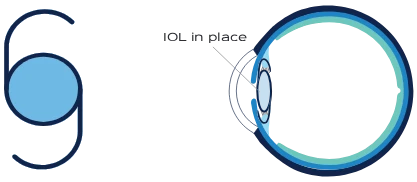
An IOL is an artificial lens that permanently replaces your eye’s natural lens. It’s designed to help improve vision where cataracts or refractive errors have caused blur.
To support the best visual outcome based on your individual assessment, we match you with a lens tailored to your anatomy and visual goals.
How is my IOL tailored just for me?
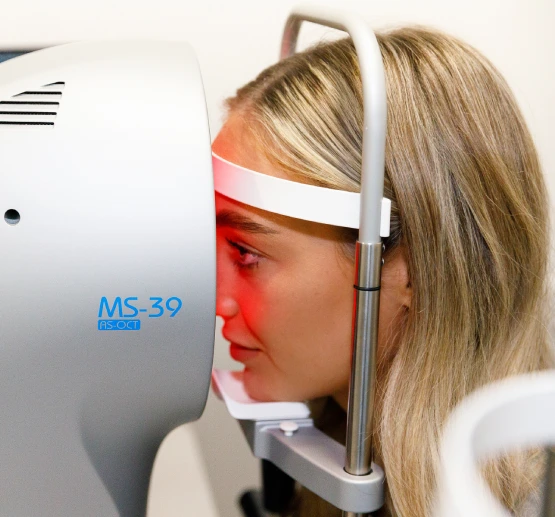
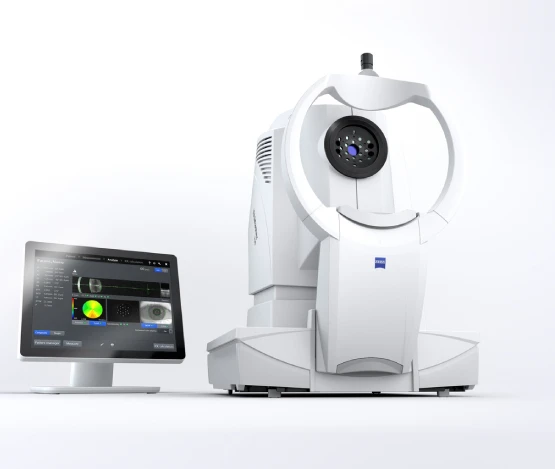
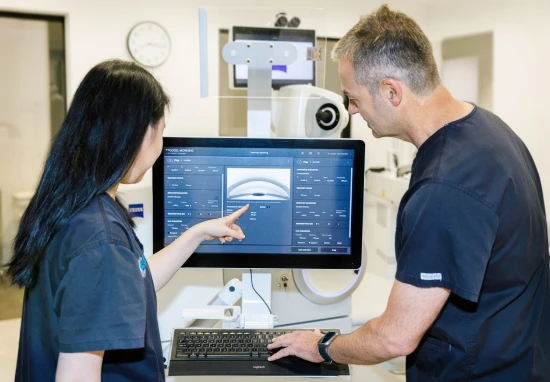
We use the IOLMaster 700 to capture detailed measurements of your eye’s length, corneal shape and natural lens position.
These measurements guide the design of your replacement lens, matched to address any myopia, hyperopia, astigmatism, and, in some cases, reading vision too.
What types of replacement lenses are available?
Each artificial lens type is designed to suit different vision needs, personal preferences and lifestyles.
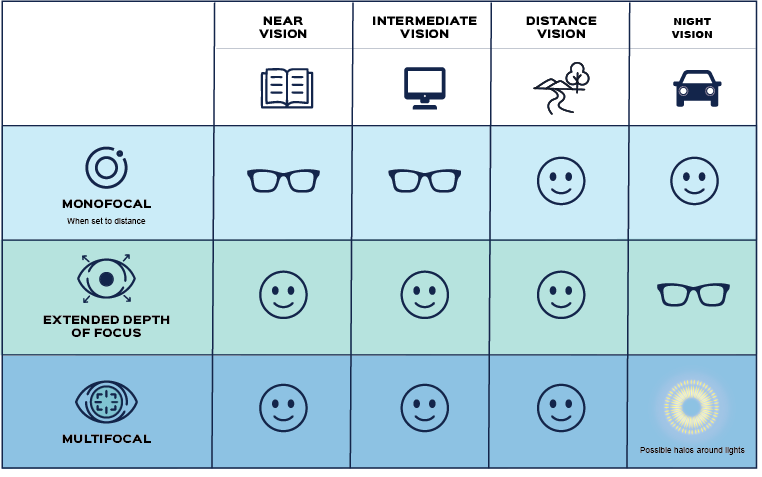
Monofocal IOLs
are designed to offer sharper vision for a single distance, either near or far. If you choose to correct distance vision, you may still need glasses for reading or other near tasks.
Extended Depth of Focus (EDOF) IOLs
are designed to offer clearer vision across a wider range. This approach may help reduce your dependence on glasses for most tasks, if you’re open to mild monovision.
Multifocal IOLs
are designed to support vision across near, intermediate and far distances. Halos around bright lights at night are common but typically may lessen over time as the eyes and brain adapt.
Which IOL type is the most suitable for me?
Choosing the right lens is a crucial step and a collaborative decision. We’ll walk you through the options so you can make an informed choice.
We’ll consider your lifestyle and vision preferences and discuss the risks and benefits of each lens option. Then together, we’ll select the most appropriate IOL type for you, noting that suitability and outcomes vary.
What to expect on surgery day
Cataract surgery and clear lens exchange are typically performed as day procedures. Eyes are usually treated separately, often about a week apart, though some patients may be eligible for a same-day bilateral sequential lens exchange.
Based on standard operating practice, straightforward surgeries generally take 10 to 15 minutes per eye, and though total time at the hospital varies, many patients can expect their hospital stay to be around 2 to 3 hours. This includes pre-operative preparation and post-operative recovery.
Step 1: Preparation
We use a sedative and local anaesthetic eye drops to help maintain comfort during the procedure.
Step 2: Incision
We make a 2-3mm self-sealing incision in your cornea.
Step 3: Lens fragmentation
Your natural lens is broken up using ultrasound technology and then removed.
Step 4: IOL insertion
Your new lens is injected and manipulated into place.
Step 5: Completion
A protective shield is applied to keep your eye safe.
What results can I expect?
Many people notice changes in their vision quite early, with further improvement as their eyes heal. If you receive multifocal or extended depth of focus lenses, your brain may need a little longer to adjust. This is called neural adaptation, and it happens naturally as your eyes settle.
You’ll be given clear post-operative instructions, including eye drops to help prevent infection and support the healing process. Many patients are able to return to work within a few days, as advised by our optometrist and depending on the healing process.
What are the potential risks and side effects?
Just like any surgical procedure, cataract surgery and refractive lens exchange can cause side effects and carry some risks, and outcomes can vary.
At your initial appointment, we’ll walk you through everything step-by-step and make sure you have all the information you need so you can make an informed decision.
PRICING
How much does lens replacement surgery cost?
Investment in cataract surgery or refractive lens exchange is approximately $4500 per eye (depending on which intraocular lens you choose). This includes:
your hospital fee and anaesthetist fee
your custom-made premium intraocular lenses
your surgery at The Avenue Hospital in Windsor, Melbourne
pre- and post-op medication and a dry eye kit
follow-up visits at 1 day, 1 week and 1 month.
Understanding Medicare and Private Health Insurance cover
Medicare typically helps cover part of your cataract surgery, including a portion of the surgeon’s fee and standard lenses. Refractive lens exchange, on the other hand, isn’t usually covered, as it’s considered an elective vision correction procedure rather than a medical necessity.
If you have private health insurance, you may be eligible for additional cover on both cataract surgery and refractive lens exchange, but it all depends on your policy.
Not sure what you’re covered for? We’re happy to walk you through it and help you ask your provider the right questions.
Looking for clear advice on your vision correction options?
We are looking forward to the opportunity to help you.
Not everyone is suitable for IOL surgery. Your suitability, experience and results will depend on your eyes, your health, and how you heal. All medical and surgical procedures carry potential risks and side effects, and we’ll discuss these before any decisions are made. The information on this page is general in nature, and you should consult your ophthalmologist for specific medical advice.