PRK surgery (photorefractive keratectomy) is a well-established laser vision correction1 option
PRK was a first in laser eye surgery. And for some patients, PRK may be a suitable option. If you have thin corneas or lead an active lifestyle, PRK could be your recommended route to improved vision.
Find out if you’re suitable for PRK laser eye surgery
While SMILE® and LASIK are popular due to their recovery times, PRK laser eye surgery remains an established alternative – especially for those who aren’t suited to flap-based procedures.
If you have thin corneas, dry eyes, an active lifestyle, or if budget is a factor, PRK laser eye surgery may be a suitable vision correction treatment for you.
SUITABILITY
Am I suitable for PRK surgery?
Suitability criteria for PRK laser vision correction are similar to those for LASIK surgery. However, for patients who are more at risk of future eye injuries, have pre-existing dry eye or thin corneas, PRK eye surgery may be an appropriate option. Here’s what our PRK patient looks like:
Over 18 years old
Good overall health
Thin corneas or dry eye
An active lifestyle or contact sports player.
Suitable, stable levels of myopia, hyperopia and astigmatism
No active eye disease, infection or inflammation
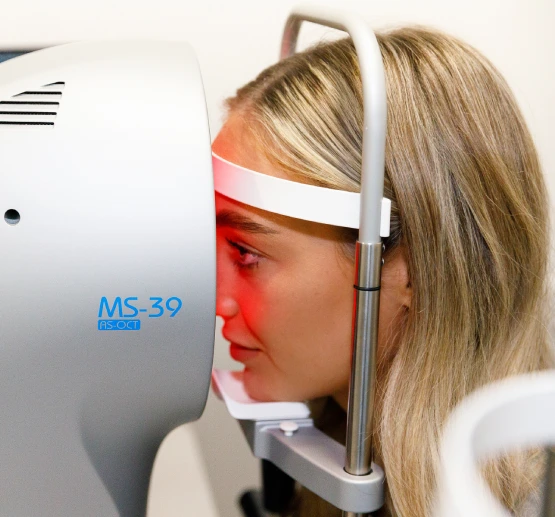
Suitability can only be confirmed through clinical assessment.
Everything you need to know about PRK laser eye surgery
What is PRK surgery?
PRK is the original laser eye surgery, first performed in the 1980s. Modern excimer lasers and refined techniques now make it a suitable option for patients when flapless treatment is clinically preferred.3
Treatment involves removal of the corneal epithelium (the thin layer of cells on the corneal surface), then reshaping the underlying tissue with an excimer laser. The goal is to refocus light onto the retina, which, for suitable patients, may lead to clearer, sharper vision.
Note: Not everyone is suitable for PRK surgery and every patient’s journey is different. Healing responses and results may vary. All surgery carries risk and potential side effects, and these will be carefully explained before any decisions are made.
How does PRK laser eye surgery work?
PRK is a two-step procedure performed by our laser eye surgeons in our dedicated Armadale eye clinic.
Step 1: Preparation
We numb your eyes with eye drops and offer you a mild sedative.
Step 2: Surface creation
We remove the surface cells of the cornea using a surgical brush.
Step 3: Cornea reshaping
We sculpt the corneal tissue to address your refractive error using the MEL 90 excimer laser.
Step 4: Completion
We place a bandage contact lens in your eye to protect the underlying tissue and promote comfort and healing as epithelium regenerates.
Based on standard operating practice, the entire PRK procedure typically takes around 15 minutes for both eyes, although this can vary.
What should I expect immediately after PRK laser eye surgery?
After PRK surgery, you can expect some discomfort, blurred vision, and sensitivity to light. For many patients, these temporary symptoms can be managed with the eye drops we provide.
Following clear post-operative instructions will help support the healing process. This includes regular use of eye drops and taking care not to rub your eyes.
We’ll monitor your progress throughout follow-up appointments and remove the bandage contact lens once healing of the corneal surface has been confirmed.
What results can I expect from PRK laser eye surgery?
A 2025 review reported stable refractive outcomes, with longer epithelial healing compared to flap-based procedures. Most people require around a week off from work, and vision may continue to stabilise over several weeks. Recovery and results depend on individual healing.
What are the potential risks and side effects of PRK surgery?
Just like any surgical or invasive procedure, PRK carries potential risks and side effects. Our clinical team will explain all these at your first consultation, so you can make a fully informed decision and we’ll guide you at every step.
PRICING
How much does PRK eye surgery cost?
Investment in PRK is $6600 for both eyes, which includes:
All your diagnostic tests, scans and measurements.
Your laser eye surgery in our Melbourne clinic.
Pre- and post-op medication and a dry eye kit.
All post-operative appointments (1 day, 1 week, 1 month and 6 months).
No-fee enhancement surgery, if suitable, within 5 years.
Flexible ways to manage treatment costs
Interest-free payment plans are available for suitable procedures, helping you manage treatment costs. Once your assessment is complete, just ask our staff for details.
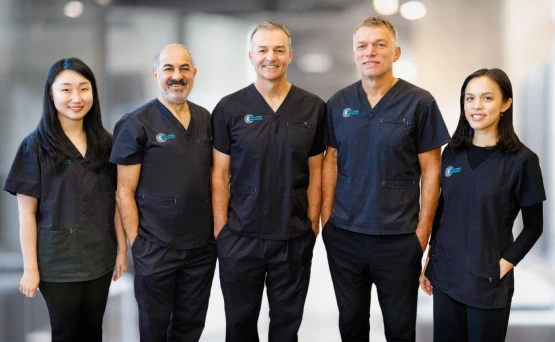
You’ll find a dedicated team of laser eye surgeons and optometrists at our laser eye clinic. Since we offer a broad range of vision correction options, we can recommend treatment options for many patients who come in for an assessment and are found to be suitable for laser eye surgery. We’ll make sure you have all the facts you need to make an informed decision, and we’ll guide you through every step.
Looking for clear advice on your vision correction options?
Let’s talk about your options. We provide clear information to support your decision-making.
Not everyone is suitable for PRK surgery. Your suitability, experience and results will depend on your eyes, your health, and how you heal. All medical and surgical procedures carry potential risks and side effects, and we’ll discuss these before any decisions are made. The information on this page is general in nature, and you should consult your ophthalmologist for specific medical advice.